Understanding Credit Scores
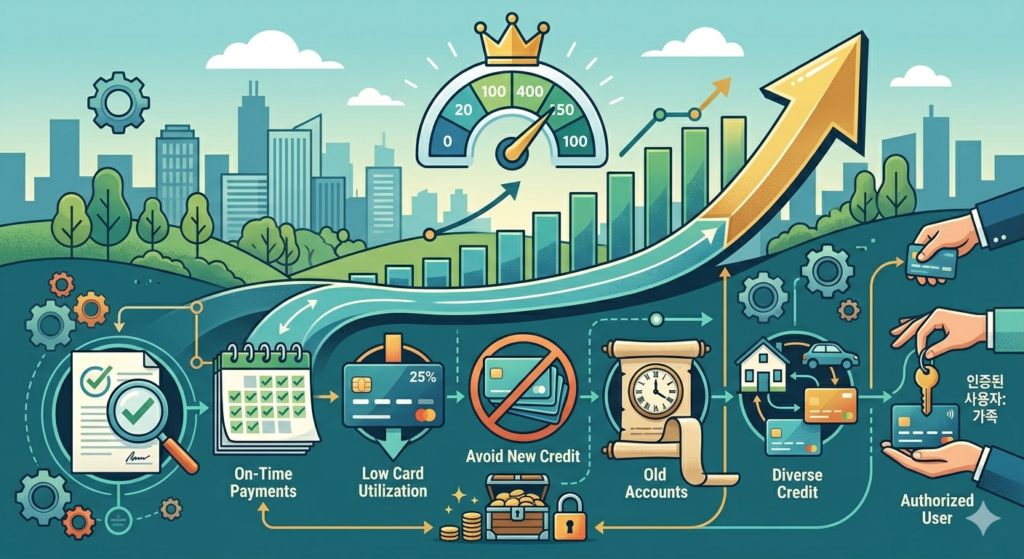
Want to improve your credit score fast? You’re not alone — and honestly, I’ve been obsessing over this lately too. Whether you’re trying to qualify for a mortgage, get approved for a DSCR loan, or just stop paying ridiculous interest rates, your credit score is one of those things that quietly controls a lot of your financial options.
Scores range from 300 to 850. Most lenders consider anything above 670 “good” — and above 740 “excellent.” The good news? Even if your score is lower than you’d like, there are real, concrete steps you can take to move the needle — some of them faster than you’d expect.
There are two main scoring models you’ll hear about: FICO and VantageScore. FICO is the one most lenders actually use. It breaks down like this — payment history (35%), amounts owed (30%), length of credit history (15%), new credit (10%), and credit mix (10%). VantageScore works similarly but weights things a little differently. Either way, both are trying to predict how likely you are to pay back what you borrow.
Check Your Credit Report First
Before you do anything else, pull your credit report. You’re entitled to one free report per year from each of the three major bureaus — Experian, TransUnion, and Equifax — through AnnualCreditReport.com. No sketchy signups, no fees.
Go through it carefully. Look for errors in your personal info, wrong account statuses, accounts you don’t recognize, or late payments that were reported incorrectly. Any of these can drag your score down without you even knowing it.
If you find something wrong, dispute it directly through the bureau’s website. Have documentation ready — it speeds things up. Fixing even one error can bump your score more than you’d expect.
Pay Your Bills on Time — Every Time
This one’s obvious, but it’s the single biggest factor in your score (35%). One late payment can do real damage, especially if it’s 30+ days late.
Set calendar reminders, use automatic payments, do whatever it takes. I personally set reminders 5 days before every due date — gives me time to move money around if needed. If you’re juggling a lot of bills, even a simple spreadsheet helps you see what’s due when.
The goal is boring consistency. Not perfect credit in one month — just no new late payments starting now.
Reduce Your Credit Card Balances to Improve Your Credit Score Fast
Your credit utilization ratio — how much of your available credit you’re using — makes up 30% of your FICO score. The rule of thumb is to keep it under 30%, but honestly, under 10% is where you’ll really see your score jump.
If you’re carrying balances, there are two popular payoff strategies:
- Avalanche method: Pay off the highest interest card first — saves the most money
- Snowball method: Pay off the smallest balance first — more motivating for some people
Either works. The point is to get those balances down. Even making an extra payment mid-month can help, because it lowers your average daily balance before the reporting date.
And don’t max out cards in the first place — easier said than done sometimes, but keeping spending disciplined is what keeps utilization low.
Avoid New Hard Inquiries
Every time you apply for new credit, a hard inquiry hits your report and can knock a few points off your score. Not a huge deal for one inquiry, but multiple applications in a short window looks bad to lenders.
Try to limit new credit applications — ideally no more than one every six months if you’re actively trying to improve your score. This matters especially if you’re planning to apply for a mortgage or investment property loan soon.
If you want to know where you’d likely get approved without actually applying, some credit apps let you check pre-qualification with a soft pull (no impact on your score).
Keep Old Accounts Open
The length of your credit history matters — it’s 15% of your score. When you close an old account, you shorten your average account age, which can actually hurt your score even if you’re trying to “clean things up.”
Old accounts with good payment history are valuable. Even if you never use a card anymore, if it has no annual fee, just leave it open. Use it once every few months for a small purchase to keep it active.
Also — closing accounts reduces your total available credit, which raises your utilization ratio. Double reason to leave them open.
Diversify Your Credit Mix
Lenders like to see that you can handle different types of credit — revolving accounts (like credit cards) and installment loans (like car loans, personal loans, or mortgages). It’s only 10% of your score, so don’t go opening random accounts just for the mix. But if you’ve only ever had credit cards, adding an installment loan at some point can help.
Just be strategic about it. Don’t open new accounts just to diversify — only do it when it makes sense for your actual financial situation.
Become an Authorized User to Improve Your Credit Score Fast
This is one of the faster ways to improve your credit score fast if you know someone with good credit. If a family member or close friend adds you as an authorized user on their credit card, their payment history and utilization on that card can show up on your credit report — and boost your score.
Key things to look for: the account should have a long, clean payment history and low utilization. You don’t even necessarily need to use the card — just being on it can help.
The flip side: if they miss payments or max it out, it can hurt your score too. So pick your person carefully and stay in communication about it.
Monitor Your Score and Keep the Momentum
Once you start making changes, track your progress. Most banks and credit card companies offer free credit score monitoring now — check it monthly so you can see what’s actually moving the needle for you.
Review your full credit report at least once a year to catch any errors early. The goal isn’t just to improve your credit score fast in the short term — it’s to build habits that keep it high long-term. Consistent, boring good behavior is what lenders actually want to see.
Not financial advice — just someone doing a lot of research and asking a lot of questions.