How to Improve Your Credit Score Fast
Understanding Credit Scores
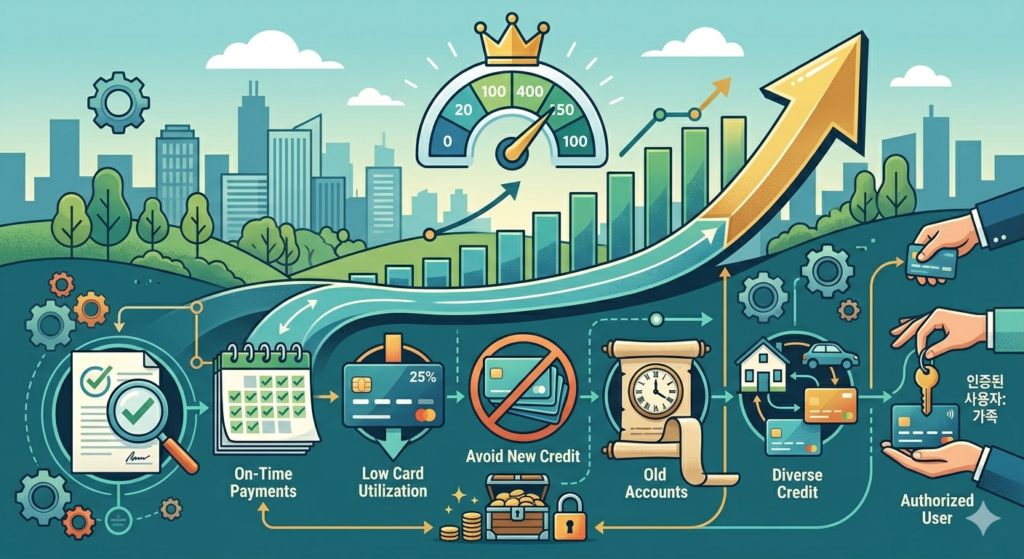
Credit scores are numerical representations of an individual’s creditworthiness. They typically range from 300 to 850, with higher scores indicating better credit health. The importance of a good credit score cannot be overstated, as it plays a pivotal role in various financial transactions, such as loan approvals, mortgage applications, and even some job interviews.
There are several models for calculating credit scores, with the two most widely recognized being FICO and VantageScore. The FICO score is the one most lenders reference when assessing potential borrowers. It places significant weight on factors such as payment history (35%), amounts owed (30%), length of credit history (15%), new credit (10%), and types of credit used (10%). VantageScore, developed by the three major credit bureaus, employs a similar calculation method but adjusts the weight of these categories, which might lead to slight variations in scores. Both scoring models are designed to predict the likelihood of an individual defaulting on a loan.
The calculation of credit scores involves the collection of information from credit reports maintained by credit bureaus. This includes personal financial history, types of credit accounts, payment performance, and outstanding debts. Importantly, each time an individual applies for credit, a hard inquiry may occur, temporarily lowering the score. Conversely, positive behaviors, such as timely payments and reducing outstanding balances, can lead to an improved score over time.
In essence, understanding credit scores is imperative for making informed financial decisions. A solid credit score not only opens the door to more favorable loan terms and interest rates but also enhances overall financial health. Thus, aspiring to improve one’s credit score should be a priority for anyone looking to secure their financial future.
Check Your Credit Report
Regularly checking your credit report is a fundamental step in maintaining and improving your credit score. Your credit report is a detailed account of your credit history, and it can significantly impact your financial opportunities. By obtaining and reviewing your report, you can identify any errors or discrepancies that may be negatively affecting your credit score.
Under the Fair Credit Reporting Act, consumers are entitled to one free credit report annually from each of the three major credit bureaus: Experian, TransUnion, and Equifax. To access these reports, you can visit AnnualCreditReport.com, which is the only federally authorized website that allows you to request your reports without any fees. Once you access your reports, it is essential to examine all sections carefully, which include your personal information, account history, and inquiries.
When reviewing your credit report, pay close attention to the following areas: inaccuracies in personal details, incorrect account statuses, unfamiliar accounts that could indicate fraud, and late payments that were reported erroneously. If you discover errors, it is critical to dispute them immediately. Most credit bureaus provide an online platform where consumers can submit disputes. Be prepared to provide documentation supporting your claim, as this can help expedite the investigation process.
Promptly addressing inaccuracies is vital, as these discrepancies can cause a reduction in your credit score. Through diligent monitoring and timely disputes, you can enhance your credit report’s accuracy, thereby improving your overall credit score. This practice not only aids in rectifying present issues but also empowers you to be aware of your credit standing, setting a foundation for better financial decisions in the future.
Pay Your Bills on Time
Maintaining a healthy credit score is pivotal for financial stability, and one of the most significant factors influencing your credit score is the timeliness of your bill payments. Late payments can have a detrimental effect on credit scores, as they are reported to credit bureaus and can lead to negative marks on your credit history. Therefore, establishing a solid routine for paying your bills promptly is crucial.
One effective strategy to ensure that you pay your bills on time is to set up reminders. You can utilize calendar apps or task management tools that send notifications ahead of payment due dates. This can serve as an excellent prompt to help you allocate funds accordingly and avoid late payments. Additionally, it can be helpful to schedule reminders a few days in advance of the due date to allow yourself some buffer time.
Budgeting effectively is another essential step to ensuring that you meet your bill obligations. By creating a budget that accounts for all monthly bills, you can better manage your finances and ensure that you have funds set aside to cover these expenses. This practice not only promotes timely payments but also reduces the risk of spending the money intended for your bills on non-essential items.
Lastly, consider using automatic payments for recurring bills. Many service providers offer the option to set up automatic payments directly from your bank account. This method minimizes the risk of forgetting to make a payment and can also help in avoiding late fees. However, it is vital to ensure that you have sufficient funds in your account to cover these automatic withdrawals to prevent overdraft fees.
Reduce Your Credit Card Balances
A crucial factor in improving your credit score lies in managing your credit utilization ratio, which is the proportion of your outstanding credit card balances to your available credit limit. A lower credit utilization ratio indicates to lenders that you are responsible with your credit use. Generally, it is advisable to keep your utilization below 30%, but aiming for lower percentages can further enhance your creditworthiness.
To effectively reduce credit card balances, one viable approach is to prioritize paying down the highest interest accounts first. This method, also known as the avalanche method, can save you money in the long run by minimizing interest charges. Alternatively, the snowball method, which focuses on paying off smaller balances first to gain momentum, can also be motivating for some individuals.
Additionally, making more than the minimum monthly payments can significantly lower your outstanding debt. By consistently paying more than the minimum, you reduce the principal amount faster, which in turn affects the interest owed. Furthermore, consider making payments multiple times a month. This strategy can help lower the average daily balance, thus reflecting a lower utilization ratio during the credit reporting cycle.
It is also imperative to avoid maxing out your credit cards in the first place. Purchase discipline involves being mindful of your spending habits and only using credit when absolutely necessary. Setting budgets that allow for limited use of credit cards can lead to better financial management and prevent the excessive accumulation of debt.
In conclusion, effectively managing and reducing credit card balances is a key strategy in improving your credit score rapidly. By maintaining a low credit utilization ratio through disciplined financial practices, individuals can demonstrate their creditworthiness to potential lenders, thus positioning themselves for better loan terms and interest rates in the future.
Avoid New Hard Inquiries
A hard inquiry, also known as a hard pull, refers to the credit check performed by a lender or creditor when an individual applies for new credit. This type of inquiry can have a significant negative impact on a person’s credit score. Typically, hard inquiries remain on a credit report for about two years, during which they can result in a reduction of the credit score by a few points. Consequently, it is crucial to manage hard inquiries effectively, especially when looking to improve your credit score swiftly.
To minimize the detrimental effects of hard inquiries, it is advisable to limit the number of new credit applications submitted at any given time. Generally, aiming for no more than one application within a six-month timeframe can help maintain a healthier credit profile. This guideline is particularly important if you are in the process of applying for a larger loan, such as a mortgage, as multiple hard inquiries can signal to lenders that you are financially unstable.
Instead of applying for new credit cards or loans, consider exploring alternative solutions that do not result in a hard inquiry. For instance, you can look for credit apps that offer reports or simulation tools to understand the possible outcomes without affecting your credit. Additionally, you might consider becoming an authorized user on a family member’s existing account. This option can help build your credit history negatively without incurring any inquiries, leveraging their good credit practices for potential score improvement.
Overall, understanding the implications of hard inquiries and being strategic about credit applications is an essential aspect of managing your credit score effectively. Avoiding unnecessary hard inquiries will help foster a stable and favorable credit history, ultimately promoting better financial health.
Keep Old Accounts Open
One of the essential factors influencing your credit score is the length of your credit history. Keeping older credit accounts open can play a significant role in maintaining a favorable credit history. When you close an old account, you reduce the average age of your credit accounts, which can negatively impact your credit score. Credit scoring models often favor individuals with longer credit histories, as it indicates responsible credit management over time.
Older accounts, especially those with positive payment histories, demonstrate a stable and responsible use of credit. Even if these accounts have not been used recently, their longevity can outweigh newer accounts. The presence of old credit lines reflects your ability to handle credit responsibly over many years, thereby contributing positively to your credit score.
Moreover, closing credit accounts can also impact your credit utilization ratio. This ratio is calculated by comparing your total credit limits to the amount of credit you are currently using. When accounts are closed, your total available credit decreases, which can lead to a higher utilization ratio if your outstanding debt remains unchanged. A higher utilization ratio can further detract from your credit scores.
Strategically managing these accounts is crucial. If an old account has no annual fees, consider leaving it open. You might want to use it occasionally for small purchases to keep it active. However, if keeping a particular account open incurs fees, periodically assess whether it is worth maintaining that account versus the potential loss in your credit score.
In conclusion, keeping old accounts open is a prudent credit management strategy that helps maintain a longer credit history. This, in turn, plays a vital role in sustaining or improving your credit score over time.
Diversify Your Credit Mix
When it comes to improving your credit score, one often overlooked factor is the diversity of your credit mix. Credit scoring models assess not just how much debt you have but also the types of credit accounts you maintain. A well-rounded credit mix typically includes both revolving credit, such as credit cards, and installment loans, such as auto loans or mortgages. This diversity can impact your credit score positively, as it demonstrates your ability to manage various types of credit responsibly.
To effectively diversify your credit mix, consider seeking credit sources that complement your current credit profile. If you only have credit cards, adding an installment loan can be beneficial. Options include personal loans, auto loans, or student loans. Each type of credit works differently, with revolving credit providing flexibility in repayments and installment loans requiring fixed payments over time. The combination of these accounts can show lenders that you are capable of managing a variety of financial responsibilities.
It’s important to approach this diversification carefully. Opening new credit accounts can temporarily impact your score due to hard inquiries and the potential increase in overall debt. Select credit products wisely and ensure that they fit within your budget. Utilize credit responsibly, making timely payments on all accounts, to mitigate any negative impacts and enhance your credit score. Pay attention also to your credit utilization rate on revolving accounts; maintaining it below 30% is advisable to maximize positive effects on your score.
Incorporating a mix of credit types can result in a stronger credit profile, allowing you to improve your credit score over time. This not only contributes to favorable interest rates on loans but can also facilitate easier approval for credit in the future.
Consider Becoming an Authorized User
One effective strategy to enhance a credit score is to become an authorized user on another individual’s credit card account. This method can potentially provide access to the positive payment history and credit utilization of the primary cardholder, which may reflect positively on the authorized user’s credit report.
When considering this option, it is crucial to select the right person and card. Ideally, the individual with whom one chooses to associate should have a solid credit history, characterized by timely payments and a low credit utilization ratio. This is because when the authorized user is added to their account, their credit score will likely benefit from the primary cardholder’s positive credit activity. Working with someone who maintains a responsible credit profile will maximize the potential for a higher credit score.
Moreover, it is important for the authorized user to communicate with the primary cardholder about responsible credit card usage. The authorized user should refrain from overspending, as this can lead to high card balances, negatively impacting both parties’ credit scores. Some individuals may find themselves in a precarious situation if the primary account holder engages in irresponsible spending habits or misses payments. Such actions could contribute to a decline in the authorized user’s credit score, highlighting the need for careful consideration before entering such an arrangement.
In addition, it is advisable to monitor the credit reports regularly after becoming an authorized user to ensure that the credit card account is being managed effectively. This monitoring allows individuals to track any improvements in their credit score and to address any discrepancies promptly. In conclusion, becoming an authorized user can be a valuable tool in credit score improvement if approached with careful deliberation and responsible usage strategies in place.
Proactive Monitoring and Maintenance
Monitoring and maintaining your credit score is an essential aspect of personal finance management. Once you have taken proactive steps to improve your credit rating, it is critical to continuously track your progress. This offers you the chance to make any necessary adjustments while ensuring that your score does not decline due to unforeseen factors.
Employing credit monitoring tools can significantly enhance your ability to keep tabs on your credit behavior. Whether through a third-party service or a bank offering free credit score tracking, these tools provide regular updates and alerts for any changes in your credit report. These notifications can include significant events such as new accounts being opened, payment history updates, or changes in credit usage, all of which can have a profound impact on your score.
Equipped with this information, understanding how your credit score changes allows you to interpret the implications of your financial actions. It’s important to familiarize yourself with the scoring models and what influences your score, such as credit utilization ratio, payment history, and the length of your credit history. By learning these elements, you can make informed decisions that align with your goal of maintaining a healthy credit standing.
Additionally, committing to long-term financial health involves establishing consistent habits. Make it a routine to review your credit report at least annually to ensure accuracy and understand trends. Resolve discrepancies promptly and seek professional advice if needed. Furthermore, consider setting financial goals that encourage responsible credit use. Over time, these small, consistent actions can lead to substantial improvements in your credit score and overall financial well-being.